Author name: krystalyn.in

GFC hair treatment vs hair transplant

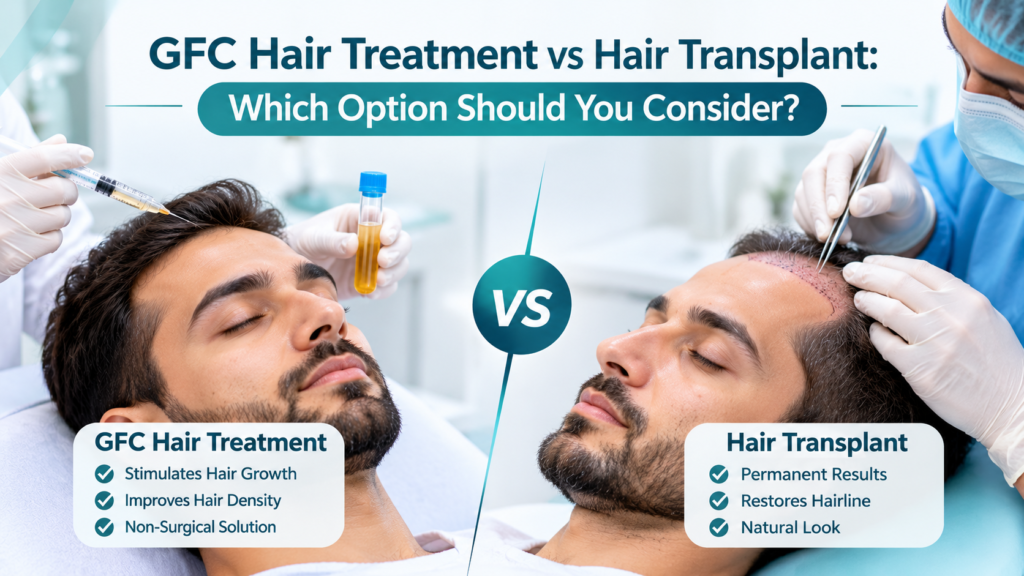
GFC Hair Treatment vs Hair Transplant: Which Option Should You Consider?

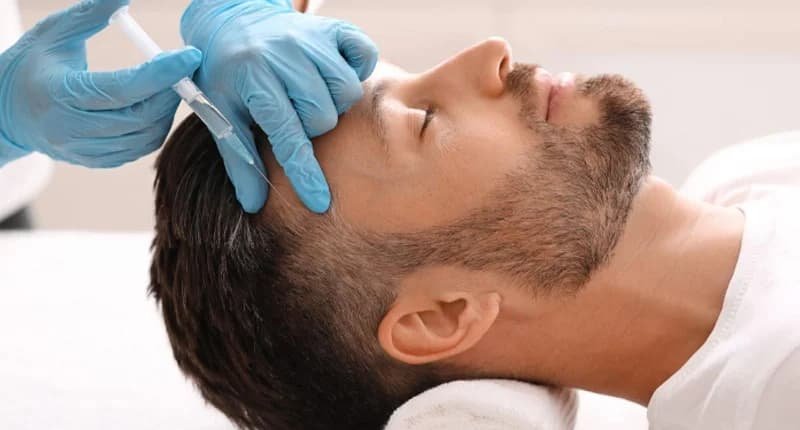
GFC Hair Treatment vs Hair Transplant: Which Option Should You Consider? Have you started noticing more hair on your pillow, in the shower or on your comb? Maybe your hairline looks different, or your scalp has become more visible than before. Hair loss can be frustrating. And when you start searching for solutions, you quickly come across several treatments promising thicker, fuller-looking hair. Two options that often attract attention are GFC and hair transplantation. But GFC hair treatment vs hair transplant is not simply a choice between two popular procedures. Both work differently, suit different hair loss conditions and have their own limitations. One focuses on supporting existing hair follicles, while the other involves moving follicles from one area of the scalp to another. Understanding this difference can help you make a more informed decision. Let’s explore how these treatments work, who may benefit from them and what you should consider before booking an appointment. What Is GFC Hair Treatment? GFC stands for Growth Factor Concentrate. It is a non-surgical procedure that uses growth factors prepared from a sample of the patient’s own blood. These growth factors are involved in cell communication and tissue repair. During the procedure, a healthcare professional collects a small blood sample and processes it using a specialised system. The prepared concentrate is then injected into selected areas of the scalp. The aim is to support existing hair follicles and potentially improve hair growth in suitable individuals. How Does GFC Treatment Work? The process generally includes a few steps: The exact method may vary depending on the system and clinic. One of the potential GFC hair treatment benefits is that it does not involve surgically removing or implanting hair follicles. It may be considered for certain people experiencing early hair thinning. However, the treatment is not a guaranteed solution. Results vary, and research into its effectiveness is still developing. People considering Advanced GFC hair therapy Nagpur should ask about the preparation method, treatment protocol and available evidence before proceeding. A qualified professional can also explain whether this approach is appropriate for their particular type of hair loss. What Is a Hair Transplant? A hair transplant is a surgical procedure in which hair follicles are taken from one part of the scalp and placed into areas affected by hair loss. The donor area is usually a region with stronger hair growth, often at the back or sides of the head. The surgeon carefully extracts suitable follicles and implants them into the recipient area. Unlike GFC, a transplant physically relocates follicles. This makes it a different type of hair restoration treatment in Nagpur. Hair transplantation may be considered by people with pattern hair loss who have sufficient donor hair and a suitable scalp condition. How Does the Hair Transplant Procedure Work? The Hair transplant procedure usually involves the following stages: Two commonly used techniques are Follicular Unit Extraction (FUE) and Follicular Unit Transplantation (FUT). They differ in how the donor follicles are collected. A transplant requires careful planning. The surgeon must consider the current hair loss, available donor supply and the possibility of future thinning. GFC Hair Treatment vs Hair Transplant: What Are the Main Differences? If you are comparing GFC hair treatment vs hair transplant, understanding their basic differences is a good starting point. Comparison Factor GFC Hair Treatment Hair Transplant Treatment Type Non-surgical procedure Surgical procedure Main Purpose Supports existing hair follicles Relocates hair follicles Procedure Growth factor concentrate is injected into the scalp Follicles are extracted and implanted Suitable Candidates Selected people with existing follicles and hair thinning People with suitable donor hair and appropriate hair loss patterns Recovery Usually involves less downtime Requires a longer recovery period Results May improve hair growth in some suitable patients Transplanted follicles can produce new hair after recovery Sessions Usually involves a planned course of sessions Often performed as a surgical session Main Limitation Cannot replace permanently lost follicles Depends on donor hair and surgical suitability The main difference is straightforward: GFC aims to support existing follicles, whereas a transplant moves follicles into areas with reduced hair coverage. Neither treatment is automatically better. The right choice depends on the cause, pattern and stage of hair loss. What Are the Benefits of GFC Hair Treatment? GFC may be worth discussing if you are experiencing hair thinning and still have active follicles in the affected areas. Some potential GFC hair treatment benefits include: 1. Non-Surgical Approach: GFC does not require surgical extraction or implantation of follicles. 2. Uses Your Own Blood: The concentrate is prepared from a sample of your own blood, although this does not remove all possible risks. 3. Less Downtime: Many patients can return to routine activities relatively quickly, depending on their response to the procedure. 4. Focuses on Existing Follicles: The treatment aims to support follicles that are still present rather than relocate hair from another area. 5. May Suit Selected Thinning Cases: A professional may consider it for certain people with early hair thinning. These potential GFC hair treatment benefits should be viewed realistically. The treatment does not work equally well for everyone, and it cannot guarantee new hair growth. People exploring GFC hair regrowth treatment should also understand that visible changes, if they occur, take time. Hair growth is gradual, so immediate results should not be expected. What Are the Benefits of a Hair Transplant? A hair transplant may be considered when hair loss has progressed and there are areas with significantly reduced hair growth. Some possible advantages include: 1. Moves Existing Follicles: It places follicles from a donor area into areas affected by hair loss. 2. Long-Term Potential: Successfully transplanted follicles can continue producing hair over the long term. 3. Addresses Bald Areas: It may improve hair coverage in selected areas where follicles have been lost. 4. Uses Your Own Hair: The procedure uses the patient’s existing hair follicles rather than artificial hair. 5. Allows Hairline Planning: Careful placement can help create a natural-looking hairline. However, a surgical hair restoration treatment also

GFC Hair Treatment vs Hair Transplant: Which Option Should You Consider? Read More »
Medical Grade Facial Treatment in Nagpur

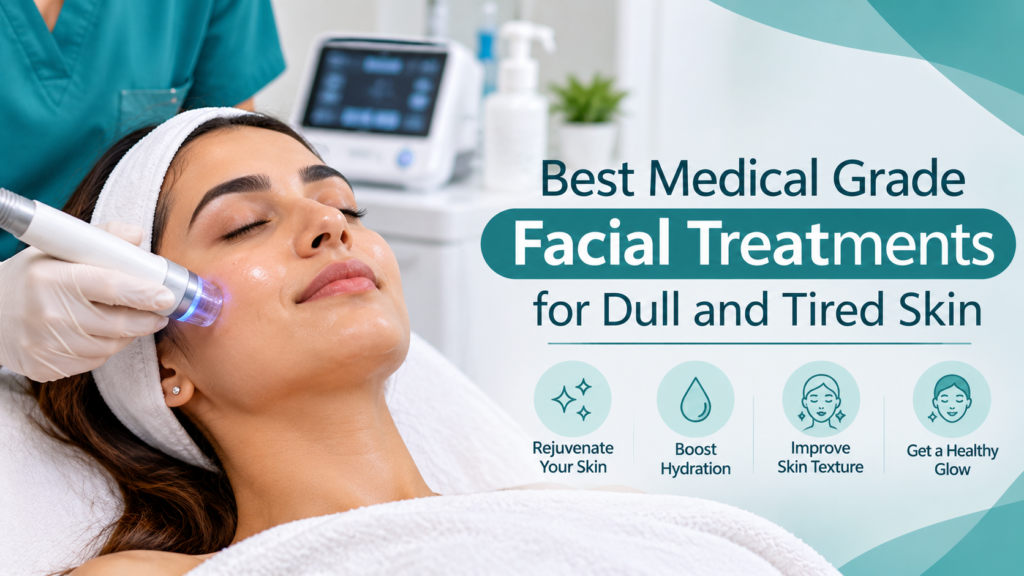
Best Medical Grade Facial Treatments for Dull and Tired Skin

Best Medical Grade Facial Treatments for Dull and Tired Skin Does your face look tired even after a full night’s sleep? Does your skin seem to have lost its natural glow, no matter how many skincare products you try? Sometimes, a regular face wash and moisturiser are not enough to give your skin the care it needs. The right professional treatment may help bring back a fresher, healthier-looking appearance. Let’s look at some popular medical grade facial treatments in Nagpur, how they work and how to choose an option that suits your skin. What Is the Best Facial for Dull Skin? The best facial for dull skin is a treatment selected according to your skin type, concerns and current condition. It may focus on removing dead skin cells, improving hydration, clearing surface impurities or supporting skin renewal. Think of your skin like a new employee joining a company. You cannot give everyone the same instructions and expect the same results. One person may need help with organisation, while another needs better communication skills. Skin works in a similar way. Dry skin needs a different approach from oily or pigmentation-prone skin. A medical grade facial usually involves a more targeted approach than a basic salon facial. Depending on the treatment, it may include professional exfoliation, deep cleansing, hydration or specialised skincare products. The goal of Krystalyn medical grade facial treatments in Nagpur is to address specific skin concerns rather than simply provide a relaxing experience. Some options are designed for dehydration, while others may help improve the appearance of uneven texture or pigmentation. However, there is no single facial that works best for everyone. A skin assessment helps a professional understand what your skin needs before recommending a treatment. Why Does Skin Lose Its Natural Glow? Skin loses its natural glow when dead skin cells, dehydration, sun exposure and other factors affect its smoothness and appearance. Lifestyle habits and certain skin conditions can also contribute to a tired-looking complexion. Here are some common reasons: 1. Dead Skin Cell Build-up: Old skin cells can collect on the surface, making the face look rough and less fresh. Gentle exfoliation may help improve this appearance. 2. Dehydration: When skin lacks moisture, it may look tight, dull or flaky. This is why skin hydration treatment can be an important part of a suitable facial plan. 3. Sun Exposure: Regular exposure to sunlight can contribute to uneven skin tone, dark spots and visible signs of ageing. Daily sun protection helps reduce further damage. 4. Stress and Poor Sleep: Busy schedules, late nights and everyday stress can make the face look tired. Skincare cannot replace proper rest, but a suitable facial may help refresh the skin’s appearance. 5. Ageing: As skin changes with age, fine lines, roughness and uneven tone may become more noticeable. Some anti-aging facial treatments Nagpur  aim to improve the appearance of these concerns. 6. Incorrect Skincare Products: Using products that are too harsh or unsuitable for your skin type can cause dryness and irritation. A complicated routine is not always a better routine. In my opinion, one of the biggest skincare mistakes is trying too many products at once. Sometimes, your skin needs a simpler routine and the right professional advice, not another trending serum. Comparing Facial Treatments for Dull Skin Different facials focus on different skin concerns. Some mainly cleanse and hydrate, while others use exfoliation or specialised techniques to improve the appearance of skin texture and tone. Here is a simple comparison of popular advanced facial treatments Nagpur to help you understand their differences. Facial Treatment Main Purpose Best For Key Benefits Medical Grade Facial Professional skin care targeting specific concerns Dull, uneven and tired-looking skin Helps improve skin texture, hydration and overall skin appearance HydraFacial Deep cleansing, exfoliation and hydration Dehydrated and dull skin Removes surface impurities and leaves skin feeling refreshed Chemical Peel Exfoliating the outer layers of skin Uneven skin tone, rough texture and some pigmentation concerns Helps improve skin texture and skin tone Microdermabrasion Physical exfoliation of the skin Rough and dull skin Removes dead skin cells and promotes smoother-looking skin Oxygen Facial Hydration and temporary skin refreshment Tired and dehydrated skin Gives skin a refreshed and hydrated appearance Enzyme Facial Gentle exfoliation using fruit-derived enzymes Mildly dull or sensitive skin Helps remove dead skin cells and improve skin smoothness How Do These Facial Treatments Differ? A HydraFacial combines cleansing, exfoliation and hydration in one treatment. It may suit people who want a refreshed appearance without choosing a more intensive exfoliation option. Chemical peels use selected exfoliating ingredients to address concerns such as uneven tone and rough texture. The type and strength of the peel should be chosen according to the person’s skin condition. Microdermabrasion uses a device to exfoliate the surface of the skin. It may be considered for some people with rough or dull-looking skin, although it may not be appropriate for everyone. An enzyme facial offers a different exfoliation approach and may be considered when a gentler option is preferred. An oxygen facial generally focuses on refreshing the skin’s appearance and hydration. A professional can help decide which option is suitable. The most expensive or intensive treatment is not automatically the best one.. Which Is the Best Facial for Dull Skin? The best option depends on what is making your skin look dull. Different treatments focus on different concerns, such as dehydration, uneven skin tone, rough texture or surface build-up. Here are some options worth considering. HydraFacial for Dull Skin A HydraFacial combines cleansing, exfoliation and hydration to help remove surface impurities and refresh the skin. It may be a suitable option for people whose skin looks tired because of dehydration or dead skin cell build-up. The treatment also helps leave the skin feeling smoother and more hydrated, making it one of the popular facial treatments for glowing skin. Hydrating Facial for Dry Skin A hydrating facial focuses on adding moisture and supporting the skin barrier. It may help people experiencing tightness, flaking

Best Medical Grade Facial Treatments for Dull and Tired Skin Read More »

laser hair removal burns

Laser Hair Removal Burns and Pigmentation: Causes, Risks and Prevention

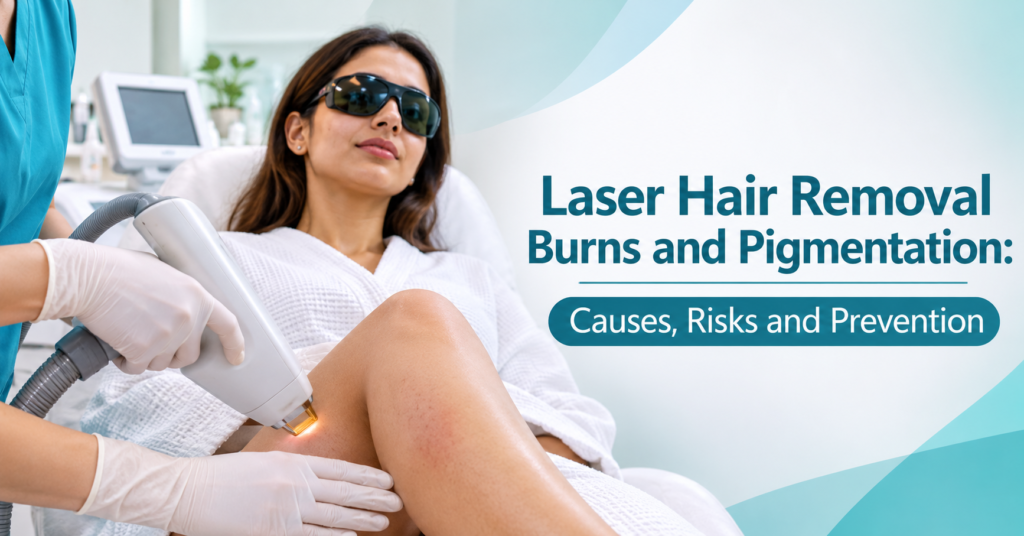
Laser Hair Removal Burns and Pigmentation: Causes, Risks and Prevention Unwanted hair can be frustrating to deal with. Whether it’s regular shaving, painful waxing sessions or constant ingrown hairs, finding a longer-lasting solution sounds appealing. That’s one reason why laser hair removal has become popular among both men and women. However, before booking an appointment, many people have an important question: Can laser hair removal damage your skin? Concerns about laser hair removal burns, dark spots and skin discoloration are not unusual. While modern laser technology is designed to target hair follicles, incorrect settings, unsuitable equipment or poor treatment practices can sometimes cause unwanted skin reactions. Another concern is pigmentation after laser hair removal, particularly for people with darker skin tones or existing pigmentation problems. Does this mean laser treatment is unsafe? Not necessarily. Understanding the possible laser hair removal side effects, knowing your skin type and choosing an experienced professional can make a significant difference. Let’s understand why these reactions happen, who may be more vulnerable and what you can do to protect your skin. Can Laser Hair Removal Cause Burns and Skin Damage? Yes, laser hair removal can occasionally cause burns, although they are not an expected result of properly performed treatment. During a session, concentrated light energy targets melanin in the hair follicle. The energy converts into heat, which damages the follicle and reduces future hair growth. However, the surrounding skin also contains melanin. If the laser settings are unsuitable, some of this energy may be absorbed by the skin instead. This can result in laser hair removal burns, redness, blistering or temporary changes in skin colour. The chances of experiencing these laser hair removal side effects depend on several factors, including skin tone, hair colour, laser technology, treatment settings and the operator’s experience. A professional laser hair removal treatment Nagpur  begins with an assessment of your skin and hair. The specialist should select appropriate settings rather than using the same approach for everyone. Remember, more laser energy does not automatically mean better results. Your skin needs the right treatment, not unnecessary heat. What Causes Laser Hair Removal Burns? Several factors can contribute to laser hair removal burns. Understanding them can help you make safer treatment decisions. 1. Incorrect Laser Energy Settings Every person’s skin reacts differently to laser energy. Using settings that are too high for someone’s skin tone or sensitivity can increase the possibility of thermal injury. This is particularly important for people with higher melanin levels. Excessive energy may affect the surrounding skin instead of targeting only the hair follicle. Incorrect settings are an important laser hair removal risk, which is why individual skin assessments matter. 2. Choosing Unsuitable Laser Technology Not every laser is appropriate for every skin type. Different technologies use different wavelengths and interact with skin pigmentation differently. For example, Nd:YAG lasers are often considered for darker skin tones because their longer wavelength allows deeper penetration with less absorption by epidermal melanin compared with some shorter-wavelength lasers. However, choosing the right device is only one part of safe treatment. Proper settings and professional handling are equally important. 3. Excessive Sun Exposure Have you spent the weekend at the beach or enjoyed several hours outdoors before your appointment? Recently tanned skin contains increased pigmentation, which may absorb more laser energy. This can raise the chances of irritation, burns and pigmentation after laser hair removal. Avoiding tanning and following the clinic’s pre-treatment instructions can help reduce this concern. 4. Inadequate Skin Cooling Cooling systems help protect the skin during laser procedures. They reduce surface discomfort and help manage heat around the treatment area. If the cooling system is inadequate or not used correctly, the possibility of laser hair removal burns may increase. 5. Lack of Proper Skin Assessment Treating sensitive, irritated or recently sun-exposed skin without an appropriate assessment can create unnecessary problems. A responsible provider should discuss your skin history, previous reactions, medications and treatment expectations before beginning a Krystalyn professional laser hair removal session. Why Does Pigmentation Occur After Laser Hair Removal? Pigmentation is another concern people frequently discuss when researching laser treatments. Pigmentation after laser hair removal can develop when the skin responds to inflammation or heat exposure by producing additional melanin. This condition is commonly known as post-inflammatory hyperpigmentation (PIH). It may appear as brown, grey or darker patches around the treated area. In some cases, the skin may become lighter instead, a condition called hypopigmentation. Let’s look at the possible reasons. Post-Inflammatory Hyperpigmentation When the skin experiences inflammation or injury, pigment-producing cells may become more active. This can lead to dark patches after the original irritation settles. Laser hair removal hyperpigmentation in Nagpur is more likely to be a concern for people who are naturally prone to pigmentation or have darker skin tones. The condition may improve gradually, but recovery time varies from person to person. Excessive Heat Exposure When the surrounding skin absorbs too much laser energy, it may experience thermal injury. This can sometimes trigger laser hair removal hyperpigmentation, particularly when the treatment causes inflammation or burns. Existing Pigmentation Problems People who already experience melasma, dark spots or uneven skin tone may need additional assessment before treatment. Existing pigmentation does not automatically prevent someone from having laser hair removal. However, it is important to understand how their skin may respond. If dark patches appear after treatment, a dermatologist can assess whether they represent normal healing, post-inflammatory pigmentation or another skin condition. What Are the Common Signs of Laser Hair Removal Skin Irritation? Not every skin reaction indicates a burn. Some temporary reactions are expected after a session. However, knowing the difference is important. Common signs of laser hair removal skin irritation include: While mild redness and swelling usually settle relatively quickly, persistent pain, worsening redness, blistering or unusual colour changes require medical assessment. Do not assume every reaction is harmless. When in doubt, have the treated area checked. Who Is More Likely to Experience Laser Hair Removal Burns and Pigmentation? Although anyone can experience an

Laser Hair Removal Burns and Pigmentation: Causes, Risks and Prevention Read More »

IV Drips for Summer Hydration

Best IV Drips for Summer Hydration: Types, Ingredients and Safety

Best IV Drips for Summer Hydration: Types, Ingredients and Safety Summer brings sunny days, outdoor activities, holidays and plenty of reasons to spend time outside. But it also brings heat, sweating and a higher risk of losing fluids. When temperatures rise, staying hydrated becomes more important than ever. Most people can maintain good hydration by drinking enough water and eating water-rich foods. However, certain medical situations, such as severe dehydration or an inability to keep fluids down, may require medical treatment. This is where intravenous (IV) fluids can play an important role. Interest in IV drips for summer hydration has also grown among people exploring wellness treatments. From electrolyte-based fluids to vitamin infusions, clinics offer different formulations for different purposes. But are all these options necessary? What ingredients do they contain, and are they safe? Let’s look at the different options, what they may contain and what you should know before considering treatment. Why Does Hydration Matter During Summer? Your body needs water to regulate temperature, support digestion, transport nutrients and maintain normal organ function. During hot weather, you lose more water through sweat. If you do not replace enough of it, your body may start showing signs of dehydration. Summer dehydration can happen after spending long hours outdoors, exercising in hot weather or experiencing fever, vomiting or diarrhoea. Common symptoms include: Mild dehydration can often improve with drinking water or an appropriate oral rehydration solution. More serious symptoms, such as confusion, fainting or an inability to drink, need urgent medical attention. Good hydration is not just about drinking a large amount of water at once. It is about replacing fluids regularly throughout the day. What Is IV Hydration Therapy and How Does It Work? IV hydration therapy Nagpur  involves delivering fluids directly into a vein through a small catheter. Healthcare professionals use this method when someone needs fluid or electrolyte replacement and oral intake is not suitable or sufficient. Unlike drinking water, an IV infusion does not pass through the digestive system. This can be useful in specific medical situations, including significant dehydration when a clinician determines that intravenous fluids are necessary. A typical IV hydration treatment in Nagpur  involves a medical assessment, checking vital signs and reviewing symptoms and medical history. The healthcare professional then decides whether an infusion is appropriate and which fluid is suitable. It is important to understand that IV fluids are not automatically better than drinking water. For everyday hydration, drinking fluids is usually enough. IV treatment should have a clear medical reason rather than being viewed as a shortcut to better health. What Are the Best IV Drips for Summer Hydration? The Best IV drips for hydration in Nagpur depend on a person’s medical condition, fluid needs and the reason for treatment. There is no single infusion that works best for everyone. Clinics may offer different Types of IV hydration drips, but their ingredients and intended uses can vary. Here are some common categories worth understanding. 1. Normal Saline IV Fluids Normal saline is a sterile solution containing sodium chloride and water. Medical professionals commonly use it to help restore fluid volume in certain cases of dehydration. It may be considered when a person has lost fluids through sweating, vomiting or diarrhoea, depending on their clinical condition. However, saline is not suitable for everyone. People with certain heart, kidney or blood pressure conditions may need special consideration because excess fluid or sodium can cause complications. 2. Electrolyte-Based IV Fluids Electrolytes are minerals that help regulate fluid balance, muscle function and nerve signals. Sodium, potassium and chloride are some examples. An Electrolyte IV drip Nagpur  may be used in medical settings when testing and assessment show that a person needs fluid and electrolyte correction. The amount and type of electrolytes must be selected carefully. Too much or too little of certain minerals can affect heart rhythm, muscle function and other important processes. 3. Vitamin C IV Infusions Vitamin C supports normal immune function and helps the body produce collagen. Some wellness clinics offer vitamin C infusions as part of their Vitamin IV drips. However, receiving vitamin C through an IV does not mean that everyone will experience better energy, improved immunity or healthier skin. Evidence for routine high-dose vitamin infusions in otherwise healthy people remains limited. A healthcare professional should review the person’s health history and the reason for considering an infusion before treatment. 4. Vitamin B-Complex Infusions B vitamins help the body convert food into energy and support normal nerve function. Some formulations include vitamins such as B1, B2, B3, B5, B6 and B12. These nutrients are important, but that does not mean an IV infusion is necessary for everyone. People with a confirmed deficiency may need supplementation based on medical advice. 5. Glutathione-Based Infusions Glutathione is an antioxidant naturally produced by the body. Some clinics promote glutathione infusions for skin-related or general wellness purposes. However, scientific evidence supporting cosmetic benefits from IV glutathione remains limited. Injectable products also require careful quality and safety controls. It should not be treated as a routine summer hydration solution. Which IV Drip Ingredients Are Commonly Used? Understanding the IV drip ingredients can help people make more informed decisions. Different formulations may contain different combinations, and the exact contents depend on the product and clinical purpose. Common ingredients include: Not every infusion needs all these ingredients. Adding more vitamins or minerals does not automatically make a drip more effective. The right formulation depends on medical needs, laboratory results when appropriate and professional assessment. IV Hydration vs Drinking Water: Which Is Better? This is one of the most common questions people ask when exploring Krystalyn Hydration IV therapy. For most healthy individuals, drinking water is the simplest and most practical way to stay hydrated. Water-rich foods, soups and other suitable fluids can also contribute to daily fluid intake. IV fluids have a different purpose. They are generally used when someone cannot take enough fluids orally or needs treatment for a medical condition. Here is a simple comparison:

Best IV Drips for Summer Hydration: Types, Ingredients and Safety Read More »

Hollistic wellness

What Is Holistic Wellness? Dr. Pooja Kedia’s Aesthetic Approach

What Is Holistic Wellness? Inside Dr Pooja Kedia Krystalyn ‘s Approach to Aesthetic Medicine Modern aesthetic care is undergoing a profound transformation. Rather than focusing merely on superficial skin treatments, true radiance originates from internal harmony, cellular health, and balanced lifestyle practices. At the forefront of this movement is Dr Pooja Kedia Krystalyn, a visionary practitioner who combines advanced clinical aesthetics with comprehensive internal wellness. Selecting an experienced Aesthetic medicine doctor Nagpur ensures that your skin enhancements are backed by rigorous medical protocols. Rather than applying quick topical fixes, consulting an Aesthetic medicine doctor Nagpur who adopts a holistic perspective allows patients to achieve long-lasting, natural beauty. When looking for a trusted Holistic skin wellness clinic, patients seek personalized regimens that address both dermal health and systemic balance. Defining Holistic Beauty with Dr Pooja Kedia Krystalyn Traditional cosmetics often treat skin issues like acne, hyperpigmentation, or premature aging as isolated symptoms. In contrast, a top-tier Holistic skin wellness clinic evaluates the intricate connection between gut health, hormonal balance, stress levels, and dermal appearance—often termed the gut-skin axis. By visiting a state-of-the-art Holistic skin wellness clinic, individuals undergo thorough diagnostic screenings before any clinical intervention. Under the expert guidance of Dr Pooja Kedia Krystalyn, treatment protocols incorporate metabolic health optimizations, targeted nutritional supplements, and clinical skin rejuvenation. This dual-action methodology ensures that patients at the Holistic skin wellness clinic receive comprehensive care that nurtures skin vitality from the inside out. Why Consult a Dedicated Cosmetic Physician Nagpur and Nagpur Regions Rely On? For individuals seeking specialized facial harmony and anti-aging therapies, consulting a qualified Cosmetic physician Nagpur professionals recommend is essential. Aesthetic care requires an artistic eye combined with precise medical knowledge. Working with a skilled Cosmetic physician Nagpur clients trust guarantees that non-surgical treatments—such as injectable dermal fillers, botulinum toxin, micro-needling, and laser therapy—are administered safely and subtly. A renowned Cosmetic physician Nagpur practitioner understands that natural results come from working in alignment with the patient’s unique facial anatomy. Furthermore, when a Cosmetic physician Nagpur integrates holistic wellness principles into clinical practice, the longevity of cosmetic procedures increases significantly due to enhanced cellular repair. Discovering a Leading Wellness Doctor Near Nagpur for Total Skin Health True aesthetic rejuvenation extends beyond skin deep. Finding a certified Wellness doctor near Nagpur allows patients to identify underlying metabolic imbalances that contribute to dull skin, chronic inflammation, and hair loss. When you consult an experienced Wellness doctor near Nagpur, your treatment plan begins with a thorough evaluation of lifestyle factors, including sleep quality, stress management, hydration, and cellular nutrition. Under the care of Dr Pooja Kedia Krystalyn, patients learn how targeted wellness protocols amplify the effects of clinical skin treatments. Choosing a qualified Wellness doctor near Nagpur ensures that your skin remains radiant, firm, and youthful over time. Anyone searching for a Wellness doctor near Nagpur will benefit from this integrative approach to longevity and beauty. Comprehensive Services Offered by Aesthetic Medicine Doctor Nagpur Experts A top-rated Aesthetic medicine doctor Nagpur provides a broad range of non-invasive and minimally invasive procedures aimed at revitalizing skin and restoring confidence. Service Category Clinical Treatment Options Primary Benefits Target Concerns Dermal Rejuvenation Micro-needling RF, Chemical Peels, Laser Toning Boosts collagen, improves texture Hyperpigmentation, acne scars, fine lines Injectable Aesthetics Dermal Fillers, Anti-Wrinkle Injections Restores lost facial volume, smooths wrinkles Deep folds, volume loss, dynamic lines Holistic Therapy IV Nutrient Drips, Gut Health Protocols Enhances cellular hydration and detoxification Dull skin, fatigue, systemic inflammation Scalp & Hair Care PRP Therapy, Microneedling, Nutrient Infusions Stimulates dormant hair follicles Thinning hair, telogen effluvium When guided by an accomplished Aesthetic medicine doctor Nagpur like Dr Pooja Kedia Krystalyn, each treatment plan is tailored to suit the patient’s biological profile, ensuring maximum safety and optimal aesthetic output. The Core Pillars of Dr Pooja Kedia Krystalyn ‘s Treatment Philosophy The unique approach pioneered by Dr Pooja Kedia Krystalyn rests on four core pillars designed to deliver sustainable aesthetic transformation: In-Depth Diagnostic Assessment: Comprehensive evaluation of skin health, metabolic indicators, and lifestyle habits. Cellular & Internal Optimization: Utilizing targeted nutrient therapies and detox protocols to lower systemic oxidative stress. Advanced Medical Aesthetics: Applying cutting-edge, US-FDA-approved technologies for safe skin tightening, texture refinement, and tone balance. Long-Term Preventive Maintenance: Empowering patients with customized home-care routines and wellness habits for enduring skin vitality. By integrating these pillars, Dr Pooja Kedia Krystalyn empowers individuals to look and feel their best at every stage of life. Frequently Asked Questions 1. What defines the care at a holistic skin wellness clinic? A Holistic skin wellness clinic combines clinical dermatology and aesthetic procedures with internal health assessments, including nutritional optimization and stress management, to achieve natural, long-lasting skin health. 2. How does Dr Pooja Kedia Krystalyn approach aesthetic medicine? Dr Pooja Kedia Krystalyn emphasizes a balanced approach that treats skin concerns from both the inside and outside, pairing advanced aesthetic technologies with personalized wellness and metabolic care. 3. What treatments does an aesthetic medicine doctor Nagpur offer? An Aesthetic medicine doctor Nagpur provides non-surgical solutions including laser skin resurfacing, chemical peels, dermal fillers, anti-wrinkle injections, PRP therapy, and targeted medical facials. 4. Why should I consult a cosmetic physician Nagpur relies on? Consulting an experienced Cosmetic physician Nagpur specialist guarantees that your facial enhancement procedures are performed with precision, safety, and a deep understanding of natural facial anatomy. 5. What services are provided by a wellness doctor near Nagpur? A Wellness doctor near Nagpur provides comprehensive lifestyle evaluations, IV nutrient therapies, gut health restoration plans, and personalized anti-aging regimens to support overall health and vibrant skin. 6. Are holistic aesthetic treatments safe for sensitive skin types? Yes, because holistic treatments focus on rebuilding the dermal barrier and lowering systemic inflammation, they are exceptionally gentle and effective for sensitive or reactive skin types. 7. How does internal health affect skin appearance? Internal factors such as chronic stress, gut dysbiosis, hormonal imbalances, and nutritional deficiencies directly manifest as acne, premature aging, hyperpigmentation, and dullness on the skin surface.

What Is Holistic Wellness? Dr. Pooja Kedia’s Aesthetic Approach Read More »

Hair-Fall-Treatment-In-Nagpur

Hair Fall Treatment in Nagpur: Causes, Diagnosis & Solutions

Hair Fall Treatment in Nagpur: Causes, Diagnosis & Modern Solutions Hair loss, diffuse thinning, and receding hairlines have become major cosmetic and medical concerns for men and women across urban centers. Factors such as environmental stress, hormonal fluctuations, nutritional gaps, and genetic predisposition contribute significantly to premature follicular weakening. Seeking professional Krystalyn Hair fall treatment Nagpur services offers a scientific, structured roadmap toward reversing hair damage and restoring scalp health. Modern trichology moves beyond temporary home remedies to deliver targeted, evidence-based interventions tailored to individual scalp conditions. Key Causes of Hair Loss & Follicular Thinning Understanding why hair loss occurs is essential before choosing a therapeutic protocol. Hair follicles undergo a natural growth cycle—anagen (growth), catagen (transition), and telogen (resting/shedding). Disruptions to this cycle lead to noticeable thinning and bald patches. Androgenetic Alopecia (Pattern Baldness): Driven by genetic sensitivity to Dihydrotestosterone (DHT), a hormone derivative that causes follicle miniaturization over time. Telogen Effluvium: Sudden excessive shedding triggered by severe physical stress, post-viral illness, rapid weight loss, or childbirth. Nutritional Deficiencies: Lack of essential micronutrients like iron, ferritin, Vitamin D, Vitamin B12, and zinc impairs keratin synthesis. Scalp & Autoimmune Disorders: Seborrheic dermatitis, psoriasis, and Alopecia Areata create scalp inflammation, causing patch hair loss. Clinical Diagnosis: Advanced Scalp & Hair Evaluation Evaluating Hair fall treatment Nagpur clinical protocols starts with precise root-cause identification. Modern dermatological clinics employ advanced diagnostic technology to accurately map hair density and follicular health. 1. Digital Trichoscopy & Dermoscopy A high-magnification trichoscope examines the scalp surface, evaluating hair shaft diameter, follicular unit density, sebum accumulation, and early signs of miniaturization. 2. Comprehensive Blood Panels Hormonal and nutritional blood assays check serum ferritin, thyroid-stimulating hormone (TSH), Vitamin D3, total testosterone, and inflammatory markers to rule out systemic triggers. 3. Hair Pull & Growth Cycle Analysis A standardized clinical pull test helps determine whether shedding is in an active telogen state or caused by structural hair shaft breakage. Modern Solutions for Hair Fall Treatment Nagpur & Follicular Rejuvenation Choosing targeted Hair fall treatment Nagpur therapies helps stop hair loss while reactivating dormant roots. Platelet-Rich Plasma (PRP) & Growth Factor Concentrate (GFC) PRP therapy extracts concentrated platelets rich in growth factors from the patient’s own blood and micro-injects them into thinning scalp areas. GFC represents the next evolution, isolating pure growth factors for faster follicular stimulation. Understanding the PRP hair treatment cost is vital when planning your hair restoration journey. Generally, the PRP hair treatment cost ranges between ₹3,000 and ₹8,000 per session depending on the centrifuge technology, kit quality, and clinical expertise. Factors influencing the overall PRP hair treatment cost include the required number of sessions and whether it is combined with microneedling or mesotherapy. Evaluating the PRP hair treatment cost against long-term surgical options highlights its cost-effective value for early-to-moderate hair loss. Mesotherapy & Peptide Infusion Scalp mesotherapy uses micro-injections to deliver customized cocktails of amino acids, vitamins, biotin, and DHT blockers directly into the dermal papilla layer. Low-Level Laser Therapy (LLLT) Red-light laser photobiomodulation stimulates cellular ATP production inside hair follicles, improving microcirculation and extending the active growth phase. Overview of Popular Hair Restoration Therapies Treatment Modality Mechanism of Action Session Frequency Target Condition Expected Timeline PRP / GFC Therapy Autologous growth factors stimulate roots Every 3 to 4 weeks (4-6 sessions) Thinning hair & early pattern baldness 3 to 4 months Mesotherapy Direct nutrient & peptide delivery Bi-weekly (6-8 sessions) Diffuse hair fall & dry scalp 2 to 3 months LLLT (Laser Therapy) Photobiomodulation boosts ATP 2-3 times per week Weak follicles & post-PRP recovery 4 to 6 months Hair Transplant (FUE) Follicular unit extraction & implantation Single surgical session Advanced baldness & receding hairline 6 to 12 months Finding the Best Trichologist Nagpur Has to Offer Selecting an experienced hair clinic ensures safe, effective, and predictable hair growth outcomes. Consulting the Best trichologist Nagpur provides access to specialized scalp diagnostics. The Best trichologist Nagpur will analyze microscopic scalp parameters to design customized care. Furthermore, visiting the Best trichologist Nagpur ensures high safety standards through clinical oversight. Finding the Best trichologist Nagpur early can prevent irreversible follicle miniaturization. Consulting a Hair Specialist Doctor Nagpur for Personalized Care For patients across Central India exploring advanced medical options, seeking a trusted specialist is equally important. Consulting an expert Hair specialist doctor Nagpur opens up access to advanced trichological therapies. A certified Hair specialist doctor Nagpur evaluates systemic health factors alongside scalp condition. Working with a seasoned Hair specialist doctor Nagpur guarantees tailored medical and procedural treatments. Many patients choose a Hair specialist doctor Nagpur for comprehensive hair restoration guidance. Choosing the Right Hair Regrowth Clinic Nagpur and Hair Fall Treatment Nagpur When seeking professional hair care, choosing a well-equipped center directly impacts your results. A modern Krystalyn Hair regrowth clinic Nagpur provides state-of-the-art diagnostic and therapeutic technologies. Visiting a certified Hair regrowth clinic Nagpur ensures treatment in sterile, clinical environments. Selecting a specialized Hair regrowth clinic Nagpur allows patients to undergo combination therapies for faster hair density recovery. Additionally, a top-rated Hair regrowth clinic Nagpur designs structured maintenance routines to sustain results over time. Why Early Hair Fall Treatment Nagpur Matters for Long-Term Density: An effective Hair fall treatment Nagpur strategy targets the root cause rather than relying on generic topical products. Patients who opt for clinical Hair fall treatment Nagpur experience significantly higher rates of follicle preservation. A customized Hair fall treatment Nagpur plan incorporates medical growth factors, DHT blockers, and nutritional support. Frequently Asked Questions 1. What is the most effective hair fall treatment Nagpur clinics offer? Clinics offer platelet-rich plasma (PRP), growth factor concentrate (GFC), mesotherapy, and medical DHT blocker therapies tailored to individual scalp diagnostics. 2. When should I consult a hair specialist doctor Nagpur? You should consult a specialist if you experience sudden excessive shedding, visible scalp thinning, a receding hairline, or persistent scalp itchiness. 3. How many sessions are required at a hair regrowth clinic Nagpur? Most non-surgical regimens require 4 to 6 core sessions spaced 3 to 4 weeks apart,

Hair Fall Treatment in Nagpur: Causes, Diagnosis & Solutions Read More »

Non surgical fat reduction

Non-Surgical Fat Reduction: Slimming Treatments That Work

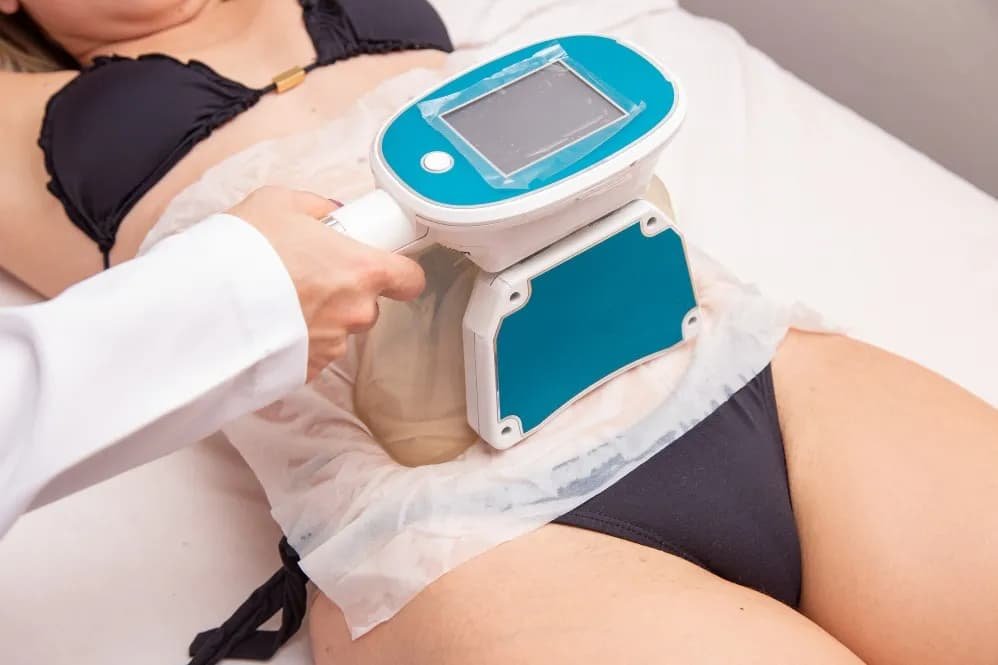
Slimming Treatments That Actually Work: A Guide to Non Surgical Fat Reduction If you have struggled with stubborn bulges that refuse to budge despite rigorous workouts and strict dieting, exploring Krystlyn non surgical fat reduction options can be a transformative step. Unlike invasive surgical procedures like traditional liposuction, modern non surgical fat reduction uses advanced physical energy—such as cold temperatures, radiofrequency heat, ultrasound energy, and laser light—to break down targeted fat cells beneath the skin. These non-invasive body sculpting modalities offer measurable circumference reduction, localized contouring, and skin tightening without the need for general anesthesia, surgical incisions, or lengthy recovery periods. Why Choose Non Surgical Fat Reduction Over Liposuction? While surgical liposuction physically suctions out fat tissue through incisions, it involves surgical risks, downtime, potential scarring, and surgical compression garments for several weeks. In contrast, non-invasive alternatives utilize the body’s natural metabolic pathways. Zero Incisions or Anesthesia: Treatments are performed topically in an outpatient clinical setting. Minimal to No Downtime: Patients can immediately return to work, exercise, and normal routine activities. Targeted Body Sculpting: Designed specifically for localized stubborn fat pockets on the abdomen, flanks (“love handles”), thighs, upper arms, double chin, and back. Gradual, Natural-Looking Results: Fat cells are processed and eliminated by the lymphatic system over 6 to 12 weeks, ensuring a smooth transition. Top Non Surgical Fat Reduction Technologies Explained Understanding how each technological modality functions enables you to select the appropriate treatment plan for your body composition. 1. Cryolipolysis (Fat Freezing) Cryolipolysis, commonly known as fat freezing, stands as one of the most thoroughly researched methods of non surgical fat reduction. Because fat cells freeze at higher temperatures than surrounding skin and muscle tissues, precise cooling applicators safely crystallize subcutaneous adipocytes. Over the subsequent weeks, the body naturally metabolizes these dead fat cells, resulting in a 20% to 25% reduction of fat layer thickness in the treated region after a single session. 2. Radiofrequency (RF) Lipolysis & Ultrasound Cavitation Radiofrequency treatments deliver thermal energy deep into subcutaneous fat layers. The generated heat damages fat cells while simultaneously heating dermal collagen fibers, causing immediate skin tightening and stimulating new collagen production. Ultrasound cavitation uses acoustic sound waves to create microscopic pressure bubbles within fat tissue, rupturing cell membranes. This dual mechanism makes radiofrequency and ultrasound cavitation an effective non surgical fat reduction strategy for people dealing with both excess fat and mild skin laxity. 3. Laser Lipolysis Non-invasive laser lipolysis utilizes low-level laser thermal energy (typically at 1060 nm wavelength) to penetrate the skin barrier and heat subcutaneous fat tissue to temperatures between 42°C and 47°C. This thermal load disrupts fat cell integrity without overheating the skin surface. Laser lipolysis delivers low-level laser thermal energy to disrupt fat storage, offering another non surgical fat reduction alternative that works exceptionally well for smaller pockets of stubborn fat like love handles or double chins. Comparison of Non-Surgical Fat Reduction Methods Treatment Modality Primary Mechanism Target Areas Average Fat Reduction Ideal For Cryolipolysis Extreme cooling (-9°C to -11°C) Abdomen, flanks, thighs, arms, chin 20% – 25% Pinchable fat bulges Radiofrequency (RF) Thermal energy heating Abdomen, thighs, arms, face/neck 15% – 20% Mild fat with loose skin Ultrasound Cavitation Acoustic sound waves Abdomen, buttocks, thighs 15% – 20% Broad fat deposits & cellulite Laser Lipolysis Low-level laser thermal heat Flanks, stomach, submental chin 18% – 24% Small localized fat deposits Achieving Weight Loss Without Surgery: Expectations vs Reality While these procedures focus on localized body sculpting, achieving weight loss without surgery requires a dual approach of targeted body shaping and healthy lifestyle habits. Non-surgical contouring treatments are engineered to remove stubborn fat pockets that resist diet and exercise; they are not intended as global treatments for severe clinical obesity. For individuals looking for weight loss without surgery, non-invasive procedures provide an encouraging starting point by instantly targeting stubborn fat deposits. Combining clinical fat reduction therapies with balanced nutrition, hydration, and moderate regular activity ensures optimal metabolic flushing of damaged fat cells through the lymphatic system. Choosing the Right Body Contouring Clinic Nagpur and Slimming Treatment Nagpur Selecting a reputed aesthetic medical clinic is crucial for obtaining safe, predictable, and aesthetically pleasing outcomes. If you reside in Maharashtra and are seeking a high-quality slimming treatment Nagpur boasts a wide array of specialized aesthetic centers. When booking a slimming treatment Nagpur clinics typically conduct a thorough body composition assessment to identify whether fat freezing, laser, or ultrasound cavitation is most suitable. Similarly, for patients in Madhya Pradesh, finding an accredited body contouring clinic Nagpur ensures access to state-of-the-art dermatological equipment. A top-tier body contouring clinic Nagpur will offer personalized consultation sessions to align technology with your specific aesthetic goals and anatomical requirements. Which Fat Loss Treatment In Nagpur Experts Recommend? When evaluating a Krystlyn fat loss treatment Nagpur specialists usually combine non-invasive therapies with dietary advice to optimize fat breakdown. Choosing a certified fat loss treatment Nagpur provider guarantees that treatments are supervised by trained medical professionals or qualified cosmetologists, preventing potential complications such as skin irritation or uneven contouring results. Frequently Asked Questions 1. Can non-invasive body shaping deliver weight loss without surgery? Yes, non-invasive body contouring allows you to achieve targeted fat cell removal and weight loss without surgery in localized body zones. However, it is designed for body shaping rather than massive overall scale weight drop. 2. Where can I find a reliable slimming treatment Nagpur? You can find a reliable slimming treatment Nagpur at established aesthetic skin clinics and cosmetology centers that house US-FDA cleared technologies and certified practitioners. 3. How do I choose the right body contouring clinic Nagpur? To choose the best body contouring clinic Nagpur, look for clinics with verified medical supervision, positive client reviews, advanced non-invasive machinery, and transparent pre-treatment consultations. 4. Is a non-invasive fat loss treatment Nagpur effective for stubborn belly fat? Yes, an advanced fat loss treatment Nagpur utilizing cryolipolysis or radiofrequency cavitation is highly effective for reducing persistent lower abdomen fat bulges. 5. Are the results of non-surgical fat reduction

Non-Surgical Fat Reduction: Slimming Treatments That Work Read More »

best skin specialist nagpur

How to Choose the Best Skin Specialist in Nagpur for Acne & Pigmentation

How to Choose the Best Skin Specialist in Nagpur for Acne & Pigmentation Dealing with acne or pigmentation can be frustrating, especially when home remedies and over-the-counter products don’t bring the change you hoped for. Both conditions can have several underlying causes, and what works for one person may not work for another. Because of this, the choice of dermatologist matters as much as the treatment itself. If you’re searching for the best skin specialist in Nagpur, it helps to look beyond star ratings and advertisements. A proper evaluation of your skin, an accurate diagnosis, and a treatment plan suited to your specific concern are what actually lead to better outcomes. This guide walks you through what to look for, what questions to ask, and how to make an informed decision. Why Choosing the Right Skin Specialist Matters for Acne and Pigmentation Acne and pigmentation are not single, uniform conditions. Each can show up differently from person to person, which is why a one-size-fits-all approach rarely works. Acne can vary by type — whiteheads, blackheads, papules, pustules, or deeper cystic breakouts — and each type may respond differently to treatment. Pigmentation, too, can stem from very different causes, such as sun exposure, hormonal changes, or marks left behind after acne heals. A dermatologist typically considers several factors before recommending a treatment plan: Skin type (oily, dry, combination, or sensitive) Severity of the condition Previous treatments tried and their results Presence of scarring Current or past medication use Lifestyle factors, such as diet, stress, or sun exposure Hormonal or other underlying factors, where relevant Because these factors differ from person to person, the right treatment for a friend or family member may not be the right one for you. This is the main reason a proper consultation matters more than a quick fix. What Does a Dermatologist Treat? A dermatologist is a doctor trained to diagnose and manage conditions related to skin, hair, and nails. While this article focuses on acne and pigmentation, dermatologists commonly manage a wider range of concerns, including: Acne and acne scars Pigmentation, dark spots, and melasma Skin infections Allergic skin conditions such as rashes or eczema Hair loss and scalp concerns Nail disorders Other general dermatological conditions Understanding this broader scope helps you see why a dermatologist’s training is relevant even for concerns that seem purely cosmetic, like acne marks or dullness. The same clinical judgment used to diagnose infections or allergies is applied when assessing acne and pigmentation. Best Skin Specialist Nagpur – What Should You Look For? When people search for the best skin specialist in Nagpur, they often rely on ratings, social media presence, or recommendations from friends. These can be useful starting points, but they shouldn’t be the only basis for your decision. A more reliable approach is to evaluate the doctor against a practical checklist: Recognised medical qualification in dermatology Formal specialisation or training in skin conditions Relevant clinical experience, particularly with acne and pigmentation cases A clear, structured consultation process Proper examination and diagnosis before suggesting treatment An evidence-based approach to treatment recommendations Transparent communication about expected outcomes and limitations Availability of follow-up care Appropriate equipment and facilities for the treatments offered Qualifications and relevant clinical experience should generally carry more weight than promotional claims or social media popularity. A dermatologist who explains your condition clearly and sets realistic expectations is often a better sign of quality care than one who promises fast or guaranteed results. Acne Treatment Nagpur – When Should You See a Dermatologist? Mild, occasional breakouts can sometimes be managed with basic skincare. But there are situations where professional evaluation becomes more appropriate. If you’re considering acne treatment in Nagpur, it may be worth booking a consultation if you notice: Acne that persists for weeks or months despite basic skincare Painful, deep, or cystic breakouts Frequent or recurring breakouts Acne that is starting to leave marks or scars Acne that is affecting your confidence or daily routine Repeated flare-ups around the same areas Breakouts that seem linked to your menstrual cycle or other hormonal patterns This list is meant to help you recognise when a consultation may be useful — it isn’t a diagnosis. A dermatologist can examine your skin, identify the type and severity of acne you have, and recommend a treatment plan suited to your situation. What Can a Dermatologist Do for Acne? Acne treatment isn’t a single fixed protocol. Depending on your specific case, a dermatologist may consider a combination of approaches, which can include: Topical treatments applied directly to the skin Prescription medicines, when clinically appropriate In-clinic procedures for certain types of acne or acne scarring Guidance on skincare routines and product choices Hormonal evaluation in select cases where hormonal acne is suspected Ongoing follow-up to monitor progress and adjust treatment Specific medications and dosages should only come from a licensed doctor after examining your skin and medical history — this article won’t go into those details. What’s useful to know upfront is that treatment choice generally depends on your acne type, its severity, your skin type, your medical history, and how you’ve responded to any previous treatments. Pigmentation Treatment Doctor – Who Should You Consult? If you’re looking for a pigmentation treatment doctor, it helps to first understand that pigmentation isn’t a single condition — it’s a symptom with several possible causes. Some common ones include: Prolonged sun exposure Post-inflammatory pigmentation, often left behind after acne or injury Melasma, which is frequently linked to hormonal changes Certain medications Hormonal factors, including pregnancy or contraceptive use Other underlying skin conditions Because these causes require different approaches, identifying the actual cause is an important first step before starting any treatment. A dermatologist can assess your skin, ask about your history, and determine whether any further evaluation or testing is needed before recommending a treatment plan. Pigmentation Treatment – What Options May Be Considered? Once the cause is identified, a dermatologist may discuss a few treatment categories with you. These generally include: Sunscreen and

How to Choose the Best Skin Specialist in Nagpur for Acne & Pigmentation Read More »

Laser hair removal

Laser Hair Removal in Nagpur: Cost, Process & What to Expect

If you’re tired of the endless cycle of shaving, waxing, or threading, laser hair removal is probably on your radar. It’s one of the more popular options for people looking to reduce unwanted hair over the long term, rather than dealing with it every few weeks. Before booking a session, it helps to understand how the treatment actually works, what affects laser hair removal cost, how many sessions you might need, whether it hurts, and what results are realistic. This guide covers all of that, along with practical tips for choosing  Krystalyn laser clinic in Nagpur. What Is Laser Hair Removal? Laser hair removal uses concentrated light energy to target the pigment in hair follicles. The follicle absorbs this energy as heat, which damages its ability to produce hair. Over repeated sessions, this can slow down hair growth and make regrowth finer and sparser in the treated area. It’s important to understand what this treatment does and doesn’t do: It targets hair follicles that are in an active growth phase at the time of treatment. Since hair grows in cycles, not all follicles are active during a single session — which is why one treatment isn’t enough. Results differ from person to person based on hair colour, hair thickness, skin type, and the treatment area. Laser hair removal is best understood as a method for long-term hair reduction rather than a one-time procedure that removes every hair permanently. That distinction matters, and we’ll come back to it later in this guide. How Does Laser Hair Removal Work? The process generally follows a few consistent steps, though the exact experience can vary by clinic and device. Step 1: Consultation Before your first session, a consultation typically covers your skin type, hair colour and thickness, the area you want treated, your medical history, and any hair removal methods you’ve used before. This helps the professional determine whether you’re a suitable candidate and which settings might work best for your skin. Step 2: Preparation The clinic may ask you to shave the treatment area beforehand, avoid sun exposure, and stop other hair removal methods like waxing or plucking for a period before treatment. This is because the laser needs the hair root intact under the skin to work effectively. Step 3: Laser Treatment During the session, a handheld device delivers controlled pulses of laser energy to the treatment area. Each pulse targets the follicles in that section of skin. The sensation and duration depend on the size of the area being treated. Step 4: Cooling Many modern devices include a cooling mechanism — such as a chilled tip or cooling gel — to protect the skin’s surface and make the treatment more comfortable. Step 5: Aftercare After the session, you may notice mild redness or warmth in the treated area, similar to a mild sunburn. The clinic will usually provide specific instructions on how to care for your skin over the following days. Laser Hair Removal Cost – What Determines the Price? Laser hair removal cost isn’t a single fixed number — it depends on several variables that can differ from one person’s treatment plan to another: Size of the treatment area Hair density and thickness Number of sessions required Type of laser technology used Clinic location and reputation Experience of the professional performing the treatment Whether you’re treating a single area or multiple areas Any follow-up or maintenance sessions Treatment Area Relative Treatment Time Cost Factors Upper lip Shorter Small area, moderate hair density Underarms Short Hair density, number of sessions Face Moderate Area size and hormonal factors Arms Longer Larger treatment area Legs Longer Large treatment area Back/Chest Longer Area size and hair density Actual laser hair removal price in Nagpur varies between clinics, so it’s best to get a personalised quote after a consultation rather than relying on figures you see online, which may not reflect current pricing. Laser Hair Removal in Nagpur – How Much Should You Budget? When budgeting for laser hair removal in Nagpur, look at the complete treatment cost rather than the price of a single session. A low per-session price can be misleading if it doesn’t include everything you’ll actually need. Factors to account for in your total budget include: Initial consultation fee Per-session fee for your chosen area Total number of sessions recommended Possible maintenance sessions after the initial course Costs for treating more than one body area Whether the clinic offers package pricing Any follow-up consultations Additional services, such as pre- or post-treatment skincare A clinic that quotes an unusually low price for a single session may not be accounting for the full number of sessions you’ll likely need. Ask for a complete breakdown before committing, so you can compare offers on equal terms. Is Laser Hair Removal Painful? This is one of the most common questions people have, and the honest answer is that it depends. Sensation during treatment can vary based on: The treatment area — areas like the upper lip or bikini area tend to be more sensitive than arms or legs Hair thickness — coarser hair can mean a stronger sensation Individual pain tolerance The type of laser technology used The specific device settings chosen for your skin Common sensations people describe include: A warm feeling on the skin Mild tingling A snapping or rubber-band-like sensation with each pulse Occasional mild stinging Most people find the sensation manageable, but it isn’t accurate to describe laser hair removal as completely painless. If discomfort is a concern for you, mention it during your consultation — there are ways to make the experience more comfortable, which we’ll cover next. Painless Laser Hair Removal – Is It Really Possible? Clinics often advertise “painless laser hair removal,” and it’s worth understanding what this claim actually means. Modern laser systems typically include built-in cooling technology, which does genuinely reduce discomfort for many people compared to older devices. Several factors can improve comfort during treatment: Cooling systems built into the device Appropriate energy settings for

Laser Hair Removal in Nagpur: Cost, Process & What to Expect Read More »